Reflecting on the O Antiphons
by Sister Elise Saggau, OSF
During Vespers on December 17, the Church begins to use each day one of the seven “O Antiphons” to introduce the reciting or chanting of the Magnificat. These antiphons may also be used to introduce the daily Gospel readings at Mass.
The O Antiphons have been used liturgically since the sixth or seventh centuries. Thus we know that St. Francis and his early followers devoutly used these stirring prayers daily in the week before the celebration of the Nativity—a feast so dear to Francis.
The O Antiphons are inspired by Old Testament prophecies, especially from the writings of Isaiah. Each radiates the gift of hope. Each expresses absolute belief that the God of salvation is very much at work in the human situation to bring us into an unimaginable new life.
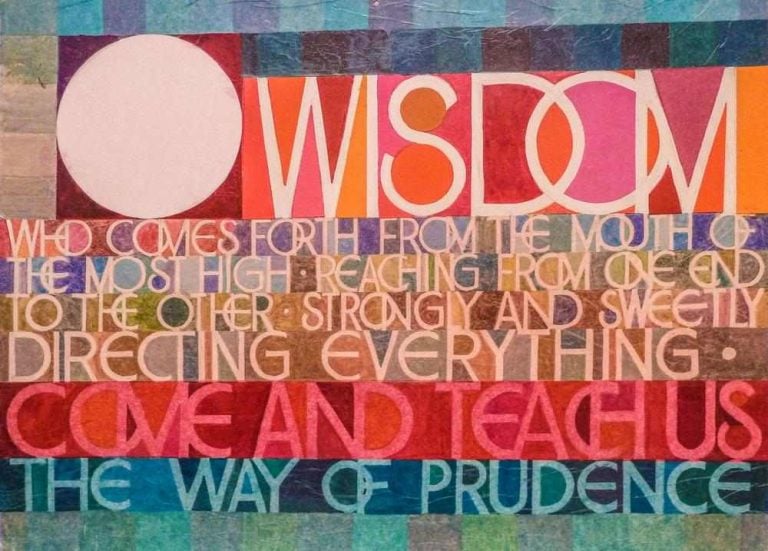
On December 17, we beseech God for Wisdom, that exquisite gift that leads us into the ways of knowledge.
On December 18, we ask for the ability to respect the divine Law that saves us from moral disaster. On
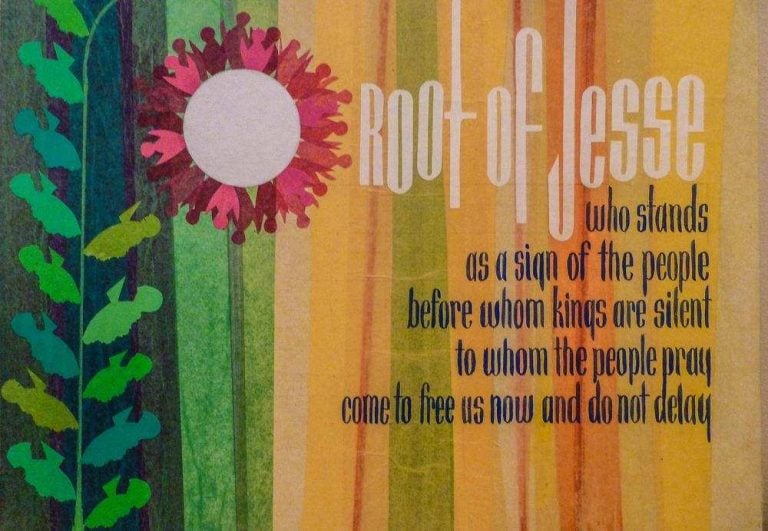
December 19, we pray that the messianic descendent of the house of Jesse and David come and, as a sign of divine love, save us.
On December 20, we beg to receive the key that will open the door of the selfishness that imprisons us. On
December 21, we ask that the radiant dawn of eternal light come and illumine our natural darkness. On
December 22, we ask that the One who rules all nations come and save us who are so naturally insignificant.
On December 23, we pray the final antiphon. It is a simple appeal that Emmanuel, God’s own ambassador, come and save us.
These pleas are a recognition that, of ourselves, we are incapable of being lifted above the forces in our lives that weigh us down and defeat us. Each antiphon is a sign that we have already received into our hearts the gifts of faith and hope that make it possible for us to rise. These petitions signal that beyond the Incarnation there is a Resurrection—that God intends, for each and every one of us, a good ending to the journey of life.
It may not be our personal practice to pray the Divine Office. We may not be able to participate in the daily Eucharistic celebrations. But each of us who attends the Sunday Masses during Advent will surely sing at some point the O Antiphons as they are enshrined in a very popular Advent hymn—O Come, O Come, Emmanuel. This hymn, in its Latin version, first appeared sometime in the nineteenth century. John Mason Neale, an Anglican priest and theologian, translated it into its current, well-known version. It has since become a staple of Advent observance.
In whatever their form, the O Antiphons play a role in our preparation for Christmas. Reflecting on
them consciously during the final week of Advent, our hearts focus on the greatest Christmas gift ever
given—God-come-among-us-as-one-of-us.